



Last Updated on May 13, 2025 by Jess Brown
The first time I felt true peace in a garden, I was maybe seven years old, kneeling beside my grandpa as he gently worked the soil. There was something almost sacred about the way his weathered hands tended each plant with such care and attention. Years later, I’d create my own little triangle garden between two garages at my first home—a space that once thrived with colors and life before neglect and invasive vines claimed it. Now, I find myself drawn back to that space, imagining how it might become something more intentional: a spiritual garden where I could meditate, journal, and reconnect with myself in those quiet morning hours.
If you’ve been searching for ways to create your own spiritual garden, you’re likely looking for more than just landscaping tips. You want to craft a sacred outdoor space that supports reflection, peace, and spiritual connection. In this post, I’ll share what I’ve learned about creating spiritual gardens—from choosing meaningful elements to arranging them in ways that invite contemplation and renewal.
Understanding Spiritual Gardens: Where Nature Meets Intention
A spiritual garden isn’t just an attractive outdoor space—it’s an intentional area designed to foster connection with yourself, nature, and whatever higher power or universal energy you relate to. Unlike typical gardens focused primarily on aesthetics or food production, spiritual gardens prioritize creating an atmosphere that supports meditation, prayer, reflection, or simply being present.
These sacred spaces have deep roots across various traditions. Zen gardens in Japanese Buddhism use carefully arranged rocks and raked sand to aid meditation. Medieval monastery gardens provided monks with peaceful areas for contemplation. Indigenous cultures worldwide have long maintained sacred natural spaces for ceremony and healing.
What makes a garden “spiritual” isn’t any specific religious affiliation but rather the intention behind its creation. It’s about designing a space that feels set apart from everyday concerns—a sanctuary where you can breathe more deeply and think more clearly.
1. Sacred Space Selection: Finding the Right Location for Your Spiritual Garden
The location of your spiritual garden matters significantly. In my case, I’m reclaiming that triangle space between garages—a spot that feels somewhat protected but receives beautiful morning light. The right location for your garden depends on your specific situation, but consider these factors:
Privacy is essential for a spiritual garden to feel like a true sanctuary. Look for areas shielded from neighbors’ views or street noise, if possible. Even in urban settings, strategic placement of tall plants, trellises, or screens can create a sense of seclusion.
Sun exposure affects both the plants you can grow and the comfort of spending time there. Morning sunlight creates a particularly magical atmosphere for meditation or journaling practices. Evening light offers a different but equally beautiful energy for unwinding after busy days.
Accessibility matters too—a spiritual garden should be easy to visit regularly. A space you pass daily will remind you to pause and connect, while a distant corner might be neglected despite good intentions.
2. Meaningful Plants: Choosing Greenery with Spiritual Significance
Plants form the living heart of any garden, but in a spiritual garden, their selection becomes even more meaningful. During my childhood gardening adventures with my grandfather, I learned that every plant has its own personality and presence. Now, I’m researching plants that might bring specific energies to my spiritual garden:
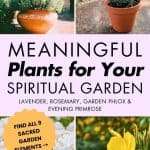
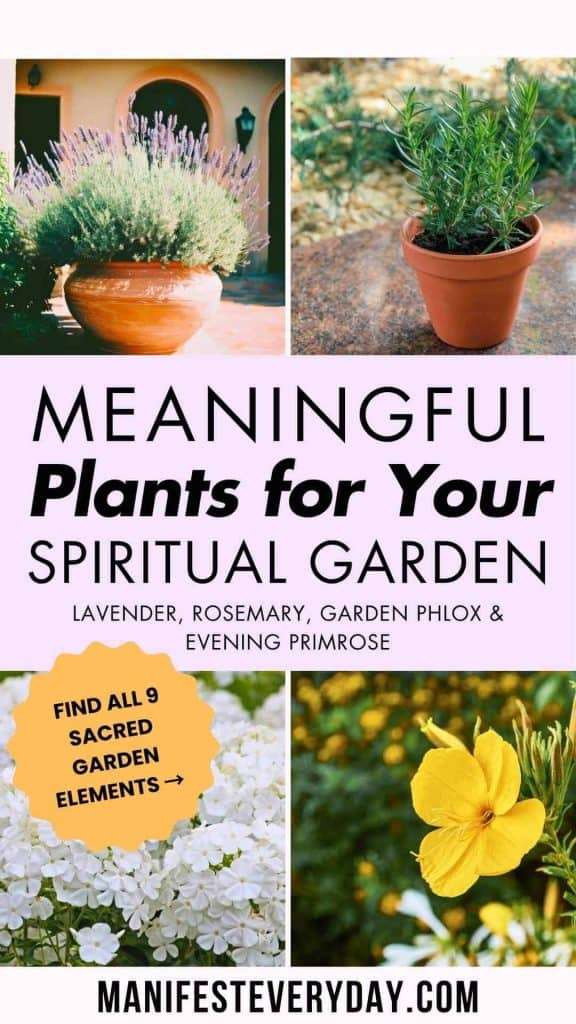
Lavender offers both beauty and calming properties. Its purple flowers and soothing scent make it perfect for spaces meant for relaxation and stress relief. I’ve grown lavender successfully before and love how it attracts bees and butterflies.
Rosemary has been considered a plant of remembrance and purification across many cultures. It’s hardy, aromatic, and beautiful year-round in many climates. Plus, I love having fresh herbs available for cooking.
White flowers like garden phlox or native evening primrose create magical spaces at dusk, reflecting moonlight and often releasing subtle fragrances in the evening air. Morning glories (planted as annuals where I live) can also provide beautiful white blooms if you prefer a climbing plant that won’t take over like clematis. These night-loving flowers feel perfect for those who might use their spiritual garden during evening hours when Minnesota summer days finally cool down.
Trees, even small ones, bring a sense of permanence and wisdom to a garden. A Japanese maple or small fruit tree can serve as a focal point while offering shade for meditation.
3. Water Elements: Incorporating Peace and Reflection
Water brings unique energy to any spiritual garden. As someone who’s always been drawn to lakes, rivers, and oceans during hikes, I understand why water features appear in sacred spaces across traditions. Water represents flow, transformation, and life itself.
Small fountains create gentle sound barriers that mask neighborhood noise while providing meditative sounds. The trickling of water can help anchor attention during meditation practices. Even compact spaces can accommodate tabletop fountains that bring this element into your garden.
Bird baths serve dual purposes—attracting beautiful wildlife while incorporating water symbolism. I’ve noticed that watching and listening to birds instantly shifts my perspective and brings me into the present moment.
Small ponds, though more involved to create, offer profound reflection opportunities—both literally and figuratively. The mirror-like surface of still water has long been used as a contemplation tool in various spiritual practices.
Rain chains or collection vessels celebrate natural water cycles, reminding us of nature’s rhythms and our connection to larger patterns beyond our control.
4. Stones and Crystals: Grounding Elements for Your Spiritual Garden
Having collected agates since childhood and built a substantial crystal collection over the years, incorporating stones into my garden feels natural. Stones bring permanence, stability, and grounding energy to a spiritual garden:
Large sitting rocks provide meditation spots or visual anchors in the landscape. A flat stone can become a natural altar space for meaningful objects or morning coffee during journaling sessions.
Crystal gardens can be created by placing special stones in meaningful arrangements. While I’ll keep my most precious specimens indoors, more robust crystals like quartz or agate can withstand outdoor conditions, especially if placed thoughtfully.
Stone pathways create intentional journeys through your garden space. The act of placing stepping stones requires careful consideration of how you’ll move through and experience the garden.
Rock stacking or balancing offers a meditative practice within the garden itself. The process of carefully balancing stones one upon another requires complete presence and patience—spiritual practice built into garden maintenance.
5. Whimsical Garden Features: Adding Joy and Wonder
Spiritual doesn’t have to mean solemn. In fact, joy and playfulness can be deeply spiritual experiences. Adding whimsical elements to your garden creates opportunities for delight and childlike wonder:
Wind chimes or bells bring sound and movement, alerting you to even the gentlest breeze. Their unexpected music can call you into the present moment, which is at the heart of many spiritual practices.
Fairy gardens or miniature scenes tucked among plants create magical moments of discovery. These small worlds within your larger garden can represent your inner landscape or simply bring smiles during garden visits.
Garden art that speaks to you personally—whether handcrafted or carefully chosen—adds another dimension to your space. Look for pieces that evoke the feeling you want to grow in your spiritual garden.
Would you like to save this?
Unsubscribe any time and I'll never share your information.
Unexpected pathways that wind rather than proceeding directly create a sense of journey and discovery. The simple act of following a curving path can shift your perspective and slow your pace.

6. Meditation Garden: Creating Dedicated Space for Stillness
As someone who values morning meditation practices, designing a specific area for this purpose feels essential. A meditation garden area needn’t be large—even a small corner with these elements can support your practice:
Comfortable seating makes extended periods of stillness more accessible. This could be a bench, cushion, or even a level area of soft grass. The key is creating a spot where your body can relax enough so that your mind can follow.
Visual simplicity helps prevent distraction. While the entire garden might feature various elements, the area directly in your line of sight during meditation might benefit from a more minimalist approach.
Protection from elements allows for practice in various weather conditions. Consider how morning dew, afternoon sun, or light rain might affect your meditation space.
Sound considerations matter for meditation areas. Position this space away from the street if possible, or use plants and water features to mask disruptive noises.

7. Cozy Backyard Ideas: Making Your Spiritual Garden Comfortable
For your spiritual garden to become a regular retreat, it needs to feel inviting and comfortable. During summer months, I love bringing my journal outside, but comfort determines how long I’ll stay:
Weather-resistant cushions and textiles bring comfort while adding color and texture. Look for outdoor fabrics that can handle occasional rain but bring the coziness of indoor spaces outside.
Shade options for hot days extend the usability of your garden. Consider natural shade from trees, pergolas with climbing plants, or even simple umbrellas that can be repositioned as needed.
Lighting for evening use transforms your garden as daylight fades. Solar lights require no wiring and create magical atmospheres while extending the hours you can enjoy your space.
Simple refreshment stations might include a small table for tea or water, encouraging longer periods of reflection. The simple ritual of brewing and sipping tea can become part of your spiritual practice.
8. Prayer Garden: Elements for Connection and Devotion
For many, spiritual gardens serve as spaces for prayer or connection with something greater than themselves. Regardless of specific faith traditions, these elements support devotional practices:
Altar spaces provide focal points for prayers, offerings, or meaningful objects. These can be as simple as a flat stone or as elaborate as a dedicated structure, depending on your space and preferences.
Symbolic plants with significance in your spiritual tradition create deeper connection. Research plants mentioned in texts or traditions important to you.
Directional orientation matters in many faith traditions. Consider whether facing east (sunrise), west (sunset), or another direction holds meaning for your practice.
Privacy features become especially important for prayer gardens, creating a sense of safety for vulnerable moments of connection and expression.
9. Nurturing Your Spiritual Garden Through the Seasons
A spiritual garden isn’t a onetime creation but an ongoing relationship. Like any meaningful practice, it requires attention and evolves with the seasons of the year and seasons of your life.
Seasonal rituals mark time’s passage and keep your connection with the garden fresh. Consider welcoming each season with a special practice or garden adjustment.
Winter care ensures your spiritual garden remains accessible year-round. In colder climates, consider evergreen plants, weather-resistant features, and perhaps even viewing areas from inside your home during inclement weather.
Evolution is natural for spiritual gardens. As your practices develop, your garden will likely transform to better support your journey. Embrace this growth rather than seeking a “finished” garden.
Daily moments, even brief ones, build a relationship with your spiritual garden. Morning coffee, evening unwinding, or simple moments of appreciation throughout the day all count as spiritual practice.
Even More Reading On Similar Topics:
- How to Develop Intuition: 9 Powerful Journal Prompts & Simple Techniques
- Harnessing Summer Solstice 2025: A Powerful Day for Personal Growth and Renewal
- 15 Spiritual Awakening Signs: Recognizing Your Soul’s Evolution
FAQ: Creating Your Own Spiritual Garden
Yes! Spiritual gardens can exist in any size space, from acres to balconies. The essence isn’t size but intention. Container gardens on patios, window boxes, or even indoor plant arrangements can serve as spiritual spaces. Focus on including elements that support your specific practices, whether that’s a single meditation cushion beside a special plant or a tiny water feature on an apartment balcony.
Start simply with low-maintenance plants suited to your climate and gradually expand as your confidence grows. Many spiritual gardens emphasize hardscape elements like paths and stones that require little maintenance once established. Remember that garden care itself can become a mindfulness practice—there’s spirituality in the weeding, watering, and tending when approached with presence.
Of course! Children often connect naturally with the wonder of gardens. Consider creating child-friendly areas with sturdy plants, digging spaces, or fairy garden elements. Teaching children to observe insects, birds, or plant growth encourages mindfulness naturally. Some families create special rituals or responsibilities that involve children in the garden’s care, fostering connection to nature from early ages.
Creating a sense of threshold helps distinguish your spiritual garden. This might be an actual gate, an arbor, a change in path material, or a ring of special plants. The transition doesn’t need to be elaborate—even stepping across a particular stone can mark entrance into a different space when done with intention.
Embracing Your Spiritual Garden Journey
Creating a spiritual garden isn’t about achieving perfection—it’s about beginning a relationship with an intentional outdoor space. As I look at reclaiming my triangle garden from the invasive vines that overtook it, I’m reminded that gardens, like spiritual practices, evolve through seasons of attention and neglect. The beauty of a spiritual garden lies in its ability to grow alongside you, reflecting your inner journey through its changing elements.
Whether you incorporate meditation spaces, meaningful plants, water features, or simply a comfortable spot to sit in awareness, your spiritual garden becomes a living sanctuary—a place to disconnect from digital demands and reconnect with something deeper. The time you spend building this space nurtures not just the plants, but your own capacity for presence, peace, and wonder. I hope these elements inspire you to create a spiritual garden that truly resonates with your unique path.
NOW OVER TO YOU: What single element would you most want to include in your spiritual garden, and why does it feel significant to you?
Did you find this content inspiring or useful? Save THIS POST to your Spirituality or Gardening board on Pinterest below. 🙂