Last Updated on October 3, 2025 by Jess Brown
About a month ago, I was on the phone with a friend when she asked me a question that stopped me cold: “What if you only did things that were a hell yes for you?” I’d been pushing through exhausting health issues, forcing myself to show up in ways that felt wrong, doing things because I thought I should. That conversation happened right as the air turned crisp and the light started fading earlier—what I didn’t realize then was that I was experiencing what the ancient Celts called Samhain.
This major Pagan observance marks the end of the harvest season and the onset of winter, and the Samhain meaning is all about endings, new beginnings, and that quiet space in between where real clarity shows up. When I started paying attention to this natural rhythm instead of fighting it, something shifted. Letting go got easier. My intentions felt cleaner. If you’ve been feeling stuck or like you’re forcing something that isn’t working, this might be exactly what you need to hear.

Unveiling the Samhain Meaning: What This Ancient Festival Truly Represents
Samhain marks summer’s end and the completion of the harvest season, celebrated around October 31 to November 1. Later Christian traditions connected it to All Saints’ Day, but its roots go much deeper. In Celtic tradition, this was a liminal time when the veil between worlds grew thin—the boundary between the living and the Otherworld became permeable. Many people honor ancestors during this time, reflect on the year that’s ending, and prepare for a new cycle. The Celts recognized Samhain as their New Year, a time of both completion and fresh beginning.
Learning the deeper Samhain meaning gave me permission to stop pushing and start releasing. I’d been white-knuckling my way through everything—my blog, my health challenges, my expectations for myself. Understanding that this season is literally designed for letting go? That helped me face what wasn’t working without feeling like I was failing. If you want historical context, Samhain’s history offers fascinating background, and Wikipedia has a solid overview too.
The Celtic Origins of Samhain
Over 2,000 years ago, Samhain was one of the central fire festivals in Celtic pagan mythology. Communities gathered at ancient sites like Tlachtga to honor life, death, and renewal. They lit massive bonfires for protection and guidance—these weren’t just practical (though they were that too), they were deeply rooted in Celtic pagan traditions about acknowledging transitions and preparing for what’s ahead.
Here’s what matters: Samhain isn’t Halloween, though Halloween borrowed heavily from it. Halloween became about costumes and candy. Samhain has a spiritual center focused on honest reflection and preparation. When I learned this distinction, it gave me language for what I was experiencing—I wasn’t just tired or burned out, I was in a season of natural ending. I needed to retire the habits draining me and protect my energy like it actually mattered. Samhain sits on the Wheel of the Year opposite Bealtaine (the spring fire festival), creating this beautiful rhythm between growth seasons and rest seasons.
The Spiritual Significance of the Thin Veil
The concept of the thin veil between worlds during Samhain isn’t just mystical imagery—it speaks to something real about this time of year. When the busy-ness of summer and harvest ends, when darkness comes earlier and we naturally turn inward, we have more access to reflection, memory, and deeper wisdom. The spirits and the dead aren’t separate from us in some scary way—they’re the accumulated wisdom of everyone who came before. Their lessons, their choices, their failures and successes.
I think of it as borrowing the quiet of winter before it fully arrives. This transitional space lets us hear ourselves more clearly. Honoring ancestors during Samhain isn’t about elaborate rituals (unless that’s your thing)—it’s about pausing to remember that we’re part of something larger. When I think about the people who came before me and how they navigated their own challenges, it helps me trust that I can find my way through mine too.
Traditional Samhain Rituals and Traditions
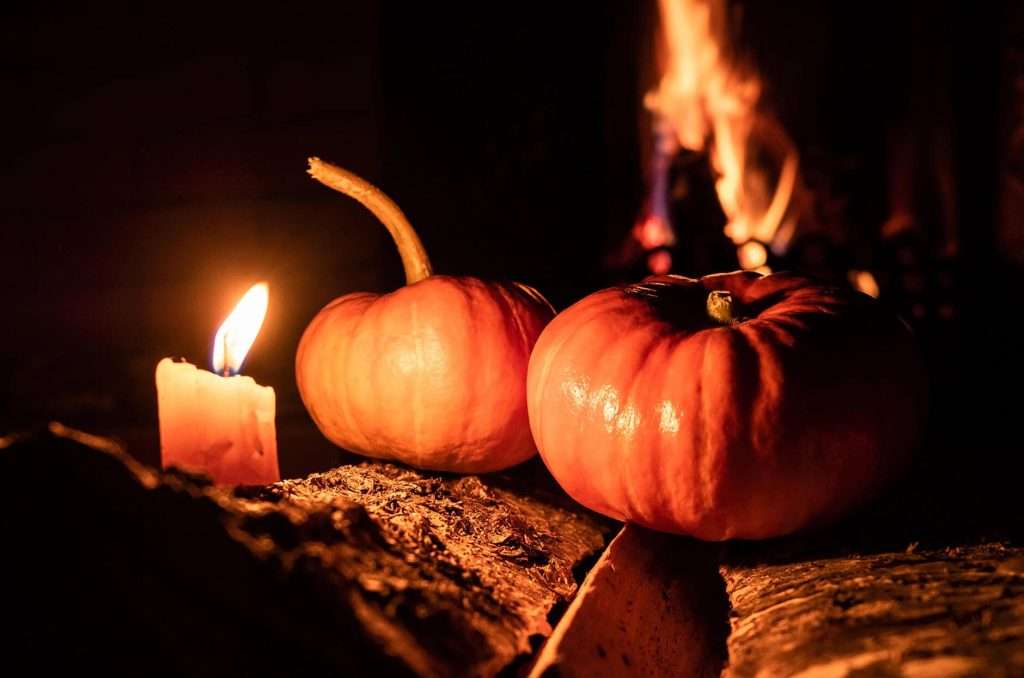
Ancient Samhain practices included lighting community bonfires, mumming and guising (early versions of wearing costumes to confuse wandering spirits), and creating ancestor altars with seasonal foods. One powerful tradition is the Dumb Supper—a silent meal where a place is set among the living for those who have passed, creating space for feasting and remembrance together.
The point was never fear. It was reverence. These rituals helped people mark transitions, express gratitude, and find closure with what was ending. When I tried a simple version—just lighting a candle and sitting quietly with a meaningful photo—my nervous system actually calmed down. My anxious thoughts quieted. There’s something about physically marking these internal shifts that helps them feel real.
Now, some modern practitioners connect with Samhain through Wiccan traditions, tarot readings, or elaborate ceremonial practices. That’s not really my path—I’m more drawn to simple reflection, journaling, and working with crystals and shamanic practices that feel aligned to me. But the core theme of seeking clarity during transition? That’s universal, no matter how you approach it.
Ways to Honor Ancestors During Samhain
You don’t need anything fancy to connect with ancestor wisdom. Simple offerings—setting out a favorite food, lighting a candle, placing fresh flowers—aren’t about appeasing spirits. They’re tangible ways to pause and remember. When I think about my late Grandma Patty and her relaxed, laid back approach to life, just thinking about some of my favorite childhood memories of her and taking five minutes to remember that ease grounds me in a way that just thinking about her doesn’t quite achieve.
- Set up a small space with photos, candles, and a simple offering like apples or bread
- Spend five minutes in quiet meditation, speaking the names of ancestors who influenced you and saying thank you
- Journal one page about wisdom you learned from someone who’s passed—what would they want you to know right now?
Start small. Two minutes counts. This is empowering, not spooky. You’re just creating space to remember that you’re part of a lineage, and their experiences can inform yours.
Divination Practices for Insight and Growth
Many people use this thin-veil time for divination—tarot spreads, rune casting, or other intuitive practices to gain insight for the months ahead. If that resonates with you, this is powerful timing for it. Personally, I find simple journaling works just as well for accessing that deeper wisdom. Try writing one page answering: “What is ready to end, and what wants to begin?”
Don’t force insight. Your first honest answer is usually the right one. The clarity comes when you stop trying so hard to figure it out. If you want more historical context about these traditions, Britannica offers a solid overview of the festival’s ancient roots.
Celebrating Samhain in 2025: Modern Twists for Everyday Manifestation
You don’t need to follow ancient Celtic traditions exactly to benefit from Samhain’s energy. Think neighborhood bonfires with friends, a solo nature walk through falling leaves, or a simple home ritual using seasonal colors—black, orange, purple, red—that reflect both Halloween’s cultural influence and the deeper themes of transition. Modern practitioners, including Wiccans, often adapt these ancient traditions into contemporary rituals that fit their lives.
I keep mine simple: a release ritual where I write what I’m letting go of and safely burn it, followed by a short intention-setting moment for what I’m inviting in. It feels like clearing the inbox of my mind, then writing one important email instead of trying to respond to everything at once.
Simple At-Home Rituals to Try This Year
Here’s what I’m actually doing this Samhain, and what you might try too:
- Light a candle, write down one specific thing you’re releasing (for me: the pressure to produce fifteen Pinterest pins per post and buy every expensive tool “experts” say I need), and burn it safely.
- Take a gratitude walk and name five things that feel good right now, even if everything else feels hard.
These tiny practices stick because they’re brief and real. You’re not committing to an hour-long ceremony—you’re giving yourself five minutes to mark something important.
What I’m Letting Go This Samhain
I have a rare endocrine condition that makes it incredibly difficult for my body to handle stress—any kind of stress, physical or emotional. The more behind I felt this past year, the more I pushed. I was slaving over blog posts for hours, researching obsessively, convinced I needed seventeen different strategies or I’d fail. The expert voices got louder: you need this tool, that approach, these specific tactics or your blog will never succeed. The Pinterest algorithm changed and suddenly I “had” to completely overhaul everything or get left behind.
The more I tried to keep up, the worse I felt. My sleep tanked. My body hurt constantly. I felt weaker, my mood dropped, my anxiety shot through the roof. My body was screaming at me to stop, but the fear of falling behind kept me pushing until I physically couldn’t anymore.
So this Samhain, I’m releasing all of that. The pressure to show up with fresh content every single week. The belief that I need fifteen pins per post. The expensive tools and complicated strategies. The hustle culture lie that more effort always equals better results.
I’m choosing to work in small spurts when I feel inspired instead of forcing myself through exhaustion. I’m taking breaks without guilt. I’m focusing on creating content that actually lights me up—like this post—instead of just chasing traffic numbers. If you’re here reading this right now, thank you. Truly. I appreciate you more than you know. And if you love this no-nonsense, tough-love approach, please share it with someone who might need it too.
How Samhain Boosts Your Manifestation Practice
Here’s what I’ve learned: when we let go of what’s draining us and only do what truly lights us up, that’s when the real magic happens. Not the forcing, not the striving, not the constant optimization. The alignment. The ease. The joy.
Use these longer, darker nights for deeper clarity. Set one intention that scares you a little but feels deeply true. Mine is: I’m building this blog and my healing practice in a way that works with my body’s limits, not against them. Small wins repeated often build trust in yourself and momentum that actually lasts.
The practices that help me most right now are EFT tapping, working with my crystals, journaling, and shamanic practices. These aren’t just spiritual bypasses—they’re practical tools that help my nervous system regulate when everything feels like too much.
Conclusion
The Pagan meaning of Samhain comes down to this: endings, beginnings, and honest alignment. When you clear out what no longer fits, your real desires stop fighting for space against all the “shoulds.” That tug you feel for something different? That’s not greed or laziness. That’s wisdom trying to get your attention.
I’ll be working with a specialist in the coming months to hopefully find better balance with my health, but through the end of this year I’ve committed to cutting back and learning to be okay with that. Reflection, releasing what doesn’t serve, and preparing for winter’s quiet restoration—that’s my Samhain practice. I’m looking forward to that magic, and I hope you are too.
Did you find this helpful? Save this post to your Spiritual Practices board on Pinterest. 🙂
Would you like to save this?
Unsubscribe any time and I'll never share your information.